


 An official website of the United States government
America First Seafood Strategy



American Seafood First
Restoring American seafood dominance, food security, and coastal prosperity.
Read the Full Strategy (PDF, 8.5 MB, opens in a new tab) (PDF, 11.4 MB)
Rich Waters.
Rising Imports.
The United States has some of the richest fishery resources in the world and the hardest working commercial fishermen on Earth. Yet America imports an overwhelming majority of its seafood supply while domestic seafood businesses and fishing communities struggle to survive. President Trump is fixing this, and putting America’s fisheries and American consumers first.
Unfair Foreign Competition
Heavily subsidized imports produced under weak labor, environmental, and safety standards flood American markets at prices domestic fishermen cannot match.
Overregulation & Rising Costs
American fishermen operate under some of the strictest rules in the world while compliance costs climb and fishing grounds narrow.
Illegal Fishing & Fraud
Illegal, unreported, and unregulated (IUU) fishing and mislabeled imports undercut the businesses that play by the rules.
A Production-First Agenda
Sources: NOAA Fisheries, Fisheries Economics of the United States (opens in a new tab) and Fisheries of the United States (opens in a new tab).
Stay Informed
Get the latest updates on the America First Seafood Strategy delivered to your inbox.
Sign Up for American Seafood Strategy Updates (opens in a new tab)
Questions and Comments
Submit a question or comment about the America First Seafood Strategy.
Five Coordinated Priorities
The U.S. Department of Commerce (DOC) National Oceanic and Atmospheric Administration (NOAA), the U.S. Department of Agriculture (USDA), and the U.S. Department of Health and Human Services (HHS) — supported by the U.S. Food and Drug Administration (FDA), the U.S. Coast Guard (USCG), U.S. Customs and Border Protection (CBP), the U.S. Trade Representative (USTR), and the U.S. Maritime Administration (MARAD) — will pursue a production-first agenda.
American Seafood First: Labeling, Marketing & Market Access
Give American seafood a competitive advantage in its own market, help consumers identify it, and promote the quality of seafood harvested by American fishermen.
Key Actions
- "U.S. Caught Seafood" label
- Federal procurement priority
- Eat American Seafood campaign
- Open commercial markets
- Modern seafood names
- Truth in labeling task force
- Support small-scale fisheries
Rebuilding America's Seafood Infrastructure & Processing Capacity
Harvested in America, landed in America, processed in America — by removing barriers to private investment, not by creating new federal bureaucracy.
Key Actions
- Rebuild the supply chain
- Bring processing home
- America First investment priorities
- Cut infrastructure red tape
- Fleet recapitalization
- Vessel modernization
- Rebuild working waterfronts
- Results-based KPIs
Fair Trade & Import Compliance and Enforcement
Expand market access for U.S. seafood, confront subsidies and non-reciprocal practices, and secure trading-partner commitments against IUU fishing and forced labor.
Key Actions
- Remove foreign market barriers
- Stronger import monitoring
- Enforce trade agreements
Regulatory Reform & Industry Partnership
Commercial fishermen are among the strongest stewards of marine resources. Federal policy will support sustainable production while keeping them economically viable.
Key Actions
- NOAA regulatory reforms
- Aquaculture permitting standards
Strengthening American Health Through Seafood
The 2025–2030 Dietary Guidelines for Americans are clear: Americans should eat seafood. Federal health policy will say so with one voice.
Key Actions
- Modernize Dietary Reference Intakes
- Align federal nutrition guidance
- Seafood in federal nutrition programs
- Public health education
The SPUR Program
The SPUR program provides a 90 percent loan guarantee to commercial lenders, enabling them to offer financing to eligible borrowers. These loans support a wide range of activities aimed at expanding, improving, and diversifying the processing capacity for American meat, poultry, and seafood.

U.S. Caught Seafood
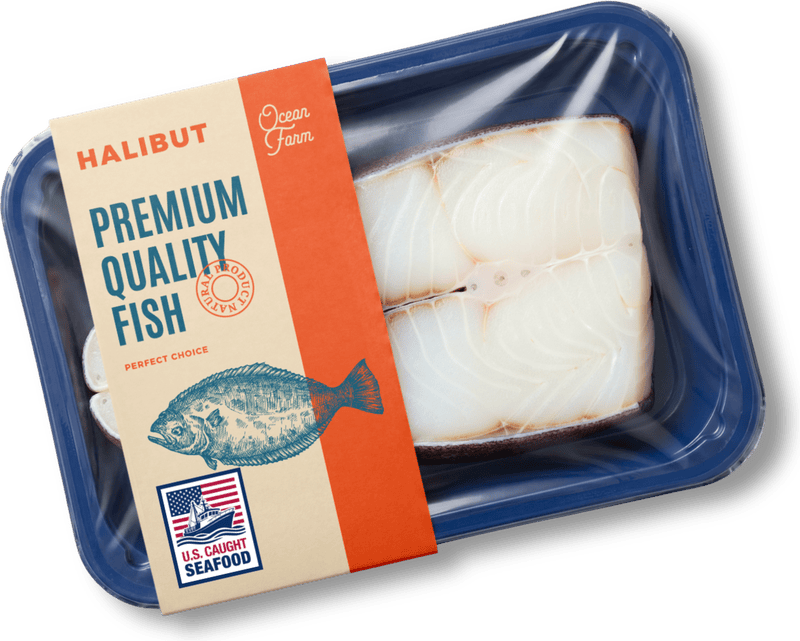
A voluntary designation for seafood caught by American commercial fishermen on U.S.-flagged vessels operating under U.S. fisheries management — a simple, recognizable way to choose American.
U.S. Caught Seafood

Made with U.S. Caught Seafood
Download the Labels (ZIP file with both labels) (ZIP, 782 KB)
To be established by FDA in coordination with NOAA and USDA. Complements existing country-of-origin labeling for fish and shellfish.
U.S. seafood—both wild-caught and farmed—is always a smart seafood choice (opens in a new tab). American fishermen operate under some of the most robust and transparent environmental standards in the world. Our fisheries are scientifically monitored and regionally managed under the 10 national standards (opens in a new tab) of the Magnuson-Stevens Fishery Conservation and Management Act (opens in a new tab).
The foundation of the U.S. system is strong science (opens in a new tab) and responsive management (opens in a new tab). NOAA Fisheries (opens in a new tab), the federal agency responsible for the stewardship of the nation’s ocean resources, works closely with eight regional fishery management councils (opens in a new tab) to use the best available science and maintain populations at sustainable levels, with regular public input and in full transparency.
Today, 94 percent of our fisheries (opens in a new tab) are being fished at sustainable, science-based levels. And our laws strictly require us to end overfishing immediately and rebuild depleted stocks. Frequent, routine at-sea surveys conducted by the Federal government, States, and public partners such as academia and cooperative industry research closely monitor population health and inform whether adjustments are needed to management strategies.
Through active international engagement (opens in a new tab), the U.S. is focused on the long-term prosperity of global fisheries by reducing seafood fraud (opens in a new tab), addressing illegal, unreported, and unregulated fishing (opens in a new tab), and making sure there is a level playing field for hardworking American fishermen.
How USDA Supports Seafood
Explore USDA resources for American fishermen, aquatic farmers, processors, and seafood businesses.
Every Purchase Supports…
- American jobs
- Fishermen & fishing families
- Coastal economies
- Food security
- Healthy American diets
- High-quality protein
- Responsible fisheries management
- National economic resilience
The Trump Administration is launching a nationwide campaign encouraging dealers, processors, restaurants, grocers, chefs, and institutional buyers to identify and promote American seafood.
Good for America. Good for You.
Seafood supports heart health, brain development, and immune function at every stage of life. USDA and HHS will align federal health policy and nutrition education to encourage Americans to eat more of it.
- High-quality protein
- Omega-3s (EPA & DHA)
- Vitamin D
- Vitamin B12
- Iodine
- Selenium
- Choline
Answers
What President Trump’s America First Seafood Strategy means for fishermen, processors, and consumers.
What is the America First Seafood Strategy?
What is the "U.S. Caught Seafood" label?
Is the label mandatory?
Does the strategy create new federal spending programs?
How will American seafood be prioritized in federal purchasing?
How will the strategy address seafood fraud and illegal imports?
How will success be measured?
Official Documentation
Background, reforms, and guidance behind the strategy.
Presidential Actions
Restoring American Seafood Competitiveness (opens in a new tab)
Fact sheet : Restoring American Seafood Competitiveness (opens in a new tab)
Unleashing American Commercial Fishing in the Pacific (opens in a new tab)
Fact sheet : Unleashing American Commercial Fishing in the Pacific (opens in a new tab)
Unleashing American Commercial Fishing in the Atlantic (opens in a new tab)
Fact sheet : Unleashing American Commercial Fishing in the Atlantic (opens in a new tab)
Restoring American Commercial Fishing in the Pacific (opens in a new tab)
Fact sheet : Restoring American Commercial Fishing in the Pacific (opens in a new tab)
Agency Resources
America First Seafood Strategy (PDF, opens in a new tab) (PDF, 11.4 MB)
The full strategy from NOAA, USDA, and HHS.
America First Seafood Brand Guide (PDF, opens in a new tab) (PDF, 2.5 MB)
Guidelines for using the U.S. Caught Seafood labels and campaign materials.
NOAA Regional Council Actions (opens in a new tab)
Reducing burdens on domestic fishing and increasing production with the Regional Fishery Management Councils.
NOAA Agency-Level Reforms (opens in a new tab)
Agency-level actions to restore American seafood competitiveness.
Dietary Guidelines for Americans (opens in a new tab)
The 2025–2030 guidelines and their recommendations on seafood.
FDA Seafood List (opens in a new tab)
Acceptable market names for seafood sold in interstate commerce.
Country of Origin Labeling (opens in a new tab)
USDA AMS requirements for country-of-origin labeling of fish and shellfish.
President Trump Puts
American Fishermen First
The future of seafood in the United States will be built by American fishermen, American workers, and American industry — not foreign imports.


